The mold you can see is rarely the whole problem. The musty smell, the warping baseboard, the allergies that vanish on vacation — how to read the signs and when to call for an inspection.
The smell, the stains, the symptoms
Sign one is the musty, earthy odor that greets you in a specific room or when the HVAC kicks on — mold growing out of sight, in a wall cavity, under flooring or in ductwork, announces itself by smell before it's ever visible. Sign two: water stains, bubbling paint and peeling wallpaper, the archaeology of moisture events that fed growth behind the surface. Sign three is your own body — allergies or asthma that worsen at home and ease when you travel are a pattern worth taking seriously.
Signs four through seven are physical: baseboards and flooring that warp or separate as moisture swells the material beneath; condensation that keeps returning to the same windows or cold walls; visible growth in the usual damp corners — bathroom grout, under sinks, basement walls; and a history — any past leak, flood or roof problem that was 'dried' with a fan and hope.
What not to do when you find it
Don't spray bleach and scrub. On porous material — drywall, wood, carpet — bleach treats the surface while the root structure survives below it, and scrubbing releases spores into rooms that were clean, seeding the next colony. Don't paint over it either: that's not remediation, that's wallpaper on a problem.
And don't ignore the source. Mold is a symptom; moisture is the disease. Removing growth without fixing the leak, condensation or drainage that feeds it schedules a sequel.
What a real inspection looks like
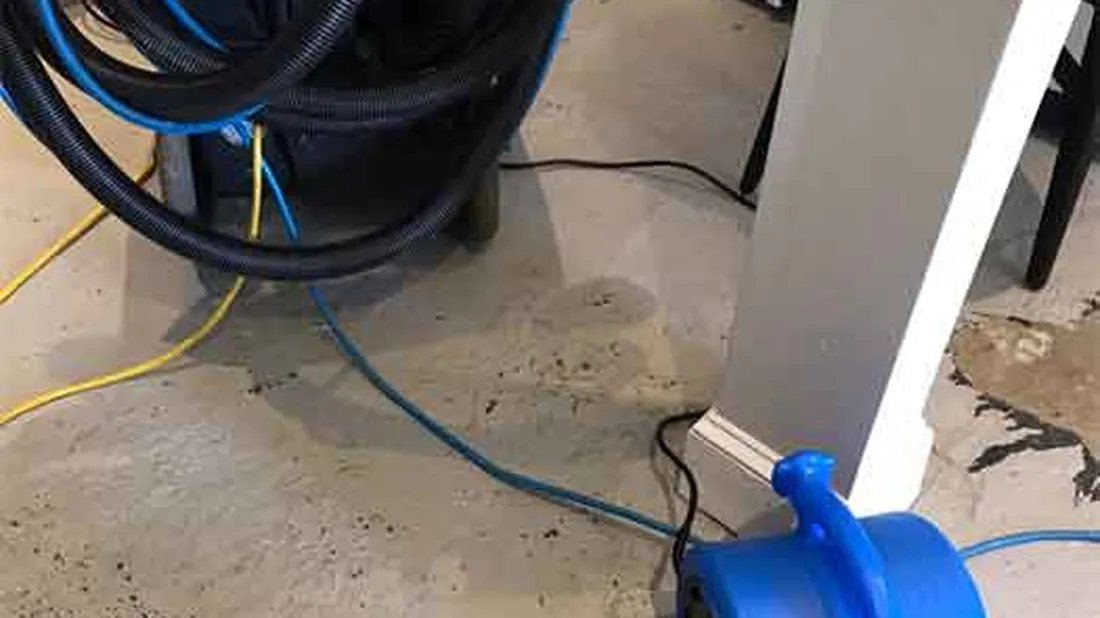
A professional inspection maps moisture, not just mold: meters and thermal imaging find the wet areas behind walls and under floors where colonies actually live, and when species identification matters — for health questions or a property transaction — samples go to a third-party lab rather than being judged by color, which tells you nothing reliable.
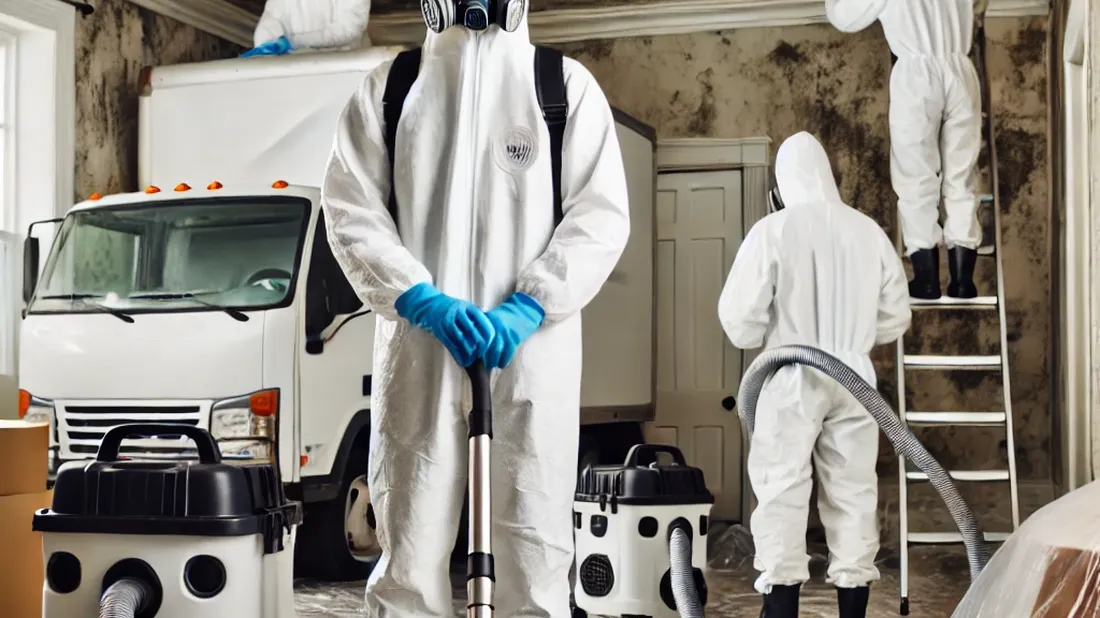
Our initial mold inspection is free. From there you'll get the honest version: whether it's a surface issue you can handle, or a remediation that needs containment, HEPA filtration and source repair. Either way you'll know what you're dealing with — which is the one thing hidden mold counts on you not doing.
Need This Handled?This guide covers Mold Removal & Remediation — the service behind this article. Free assessments, 24/7 response across Maryland: (855) 809-6899 or read about the service.
Water Damage Can't Wait — Neither Should You
Every hour of standing water means more damage and a bigger repair. Request your free assessment online and we'll call you back to confirm — or call now and a coordinator will dispatch a crew.