Mold can start within a day or two after a leak. How to dry, ventilate and watch Maryland homes after water damage — and the prevention steps that actually work.
The fast answer: dry fast, dry completely, keep humidity down
If your home has just had a leak, a burst pipe or a flooded basement, mold prevention comes down to three things done quickly: remove the standing water, dry every wet material completely — not just the surface you can touch — and keep indoor humidity down while you do it. In a warm, humid Maryland home, mold can begin growing on damp drywall, wood and carpet backing within a day or two, so the first 48 hours matter more than any spray or wipe you use later.
That order works the same in Beltsville, Baltimore, Columbia, Silver Spring and Rockville: stop the source, extract the water, move wet belongings out, open up airflow where it is safe, and get professional drying started the same day if the area is large, the water sat for hours, or it reached walls and floors. Prevention is not a product. It is speed plus verified dryness.
The first 48 hours: what real drying looks like
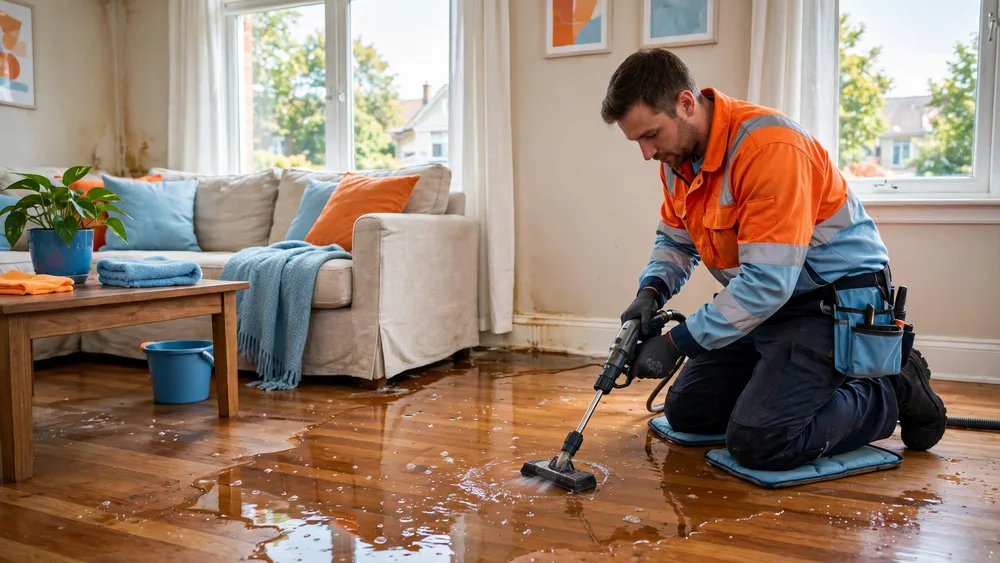
Start by removing what holds water longest. Lift wet rugs, move upholstered furniture and cardboard boxes out of the wet zone, and blot clean water where you safely can. Do not use a household vacuum on standing water, do not run fans if the water may be contaminated, and stay away from sagging ceilings and wet electrical areas. If the source is still leaking, close the appliance valve or the main shutoff if you can reach it without wading.
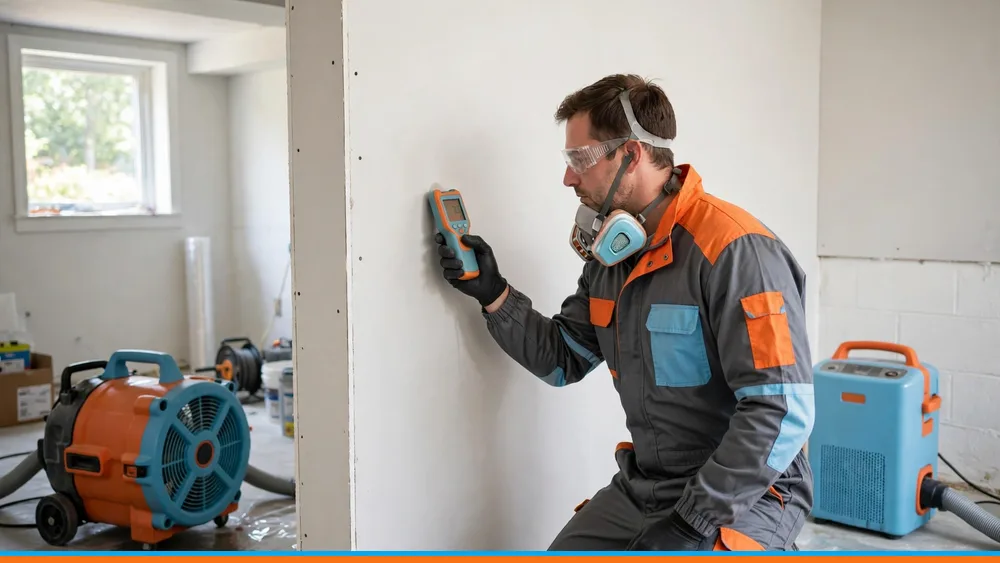
Surface drying is where most prevention fails. Hardwood, vinyl and tile can look dry while the subfloor, wall cavities and insulation underneath stay wet for weeks. Our IICRC-certified technicians map that hidden moisture with meters and thermal imaging, extract standing water, remove material that cannot be safely dried, and set structural drying to verified targets for each material. The job is done when readings say it is dry — not when the room feels dry.
Humidity and ventilation: Maryland's long game
Maryland summers keep outdoor humidity high, and basements stay cool enough for that moisture to condense on walls and pipes — the exact conditions mold prefers. After the immediate drying, keep indoor humidity in a moderate range, run bathroom and kitchen exhaust fans during and after showers and cooking, and make sure they vent outside, not into an attic. A basement dehumidifier helps only if it drains properly and is emptied or plumbed so it does not overflow quietly in a corner.
Check the quiet places weekly for the first month after a loss: under sinks, behind the washing machine, around the water heater, inside basement closets and along exterior walls. Look for a musty smell, new staining, bubbling paint or baseboards that swell or separate. Those are not cosmetic issues after water damage — they are early warnings that moisture is still present somewhere it should not be.
The spots mold comes back to — and how to lower the risk
Some areas deserve permanent attention, water loss or not. Keep gutters and downspouts clear so roof water lands away from the foundation, grade soil away from the house where you can, and fix small plumbing drips promptly instead of putting a bucket under them. Store basement belongings in plastic bins up off the floor, leave space between stored items and exterior walls for air to move, and avoid carpet directly on a basement slab in homes with a history of dampness.
Your HVAC system matters too. A clogged condensate drain or a dirty drip pan can wet the area around an air handler for a whole cooling season without a single visible puddle. Change filters on schedule, keep the area around the unit clear, and if the system distributed damp or musty air after a loss, have the affected ducts checked before you rely on the system to dry the house — it can spread the problem instead of solving it.
When prevention is not enough — and when to call
Call for help rather than scrubbing if you see growth covering a large area, if the water involved sewage, if anyone in the home has worsening allergies or breathing symptoms, or if the musty smell returns after the room was supposedly dry. Do not spray bleach on porous material and call it finished: on drywall and wood it treats the surface while growth can survive below it, and scrubbing without containment can release spores into clean rooms. Real remediation fixes the moisture source first, contains the work area, and removes growth safely.
If water has hit your home in the last day or two, the prevention window is still open — but it is closing. Call Eagle Water Damage Restoration at (855) 809-6899 or send the lead form on this site. We answer 24/7 from Beltsville, assessments are free, our IICRC-certified crews handle extraction, structural drying and mold prevention as one documented job, and we bill insurance carriers directly for covered work.
Need This Handled?This guide covers Mold Removal & Remediation — the service behind this article. Free assessments, 24/7 response across Maryland: (855) 809-6899 or read about the service.
Water Damage Can't Wait — Neither Should You
Every hour of standing water means more damage and a bigger repair. Request your free assessment online and we'll call you back to confirm — or call now and a coordinator will dispatch a crew.