A burst pipe can release hundreds of gallons an hour. Here's the exact order of operations for the first sixty minutes — what to shut off, what to move, and what to leave alone.
Minute one: stop the water
Everything else waits until the water stops. If you know where the break is and there's a local shutoff — under a sink, behind a toilet, at the water heater — close it. If not, go straight to the main shutoff: in most Maryland homes it's where the water line enters the house, usually in the basement near the front wall, or at the meter by the street. Turn it clockwise and confirm the flow has stopped at a faucet.
While you're there: if water is anywhere near outlets, appliances or the electrical panel, switch off power to the affected circuits at the breaker box. Water plus electricity is the one combination in a burst-pipe emergency that can actually hurt someone.
Minutes five to twenty: protect what water ruins fastest
Move in order of fragility: electronics and documents first, then upholstered furniture and rugs, then anything cardboard — boxes wick water and collapse fast. Get items fully out of the wet zone, not just to the dry corner of the same room, because extraction equipment and drying need the whole area.
For furniture you can't move, slip foil or wood blocks under the legs — it stops dye and rust stains from setting into carpet and buys the piece itself a chance. Open cabinet doors under sinks and closet doors on wet walls; airflow now means less demolition later.
Minutes twenty to sixty: document, then call
Take photos and video before you mop anything: the break, the standing water, the affected rooms, the waterline on walls. That record is gold twice over — it guides the restoration plan and it's the evidence your insurance claim runs on. Keep the broken pipe section if a plumber replaces it; carriers sometimes ask.
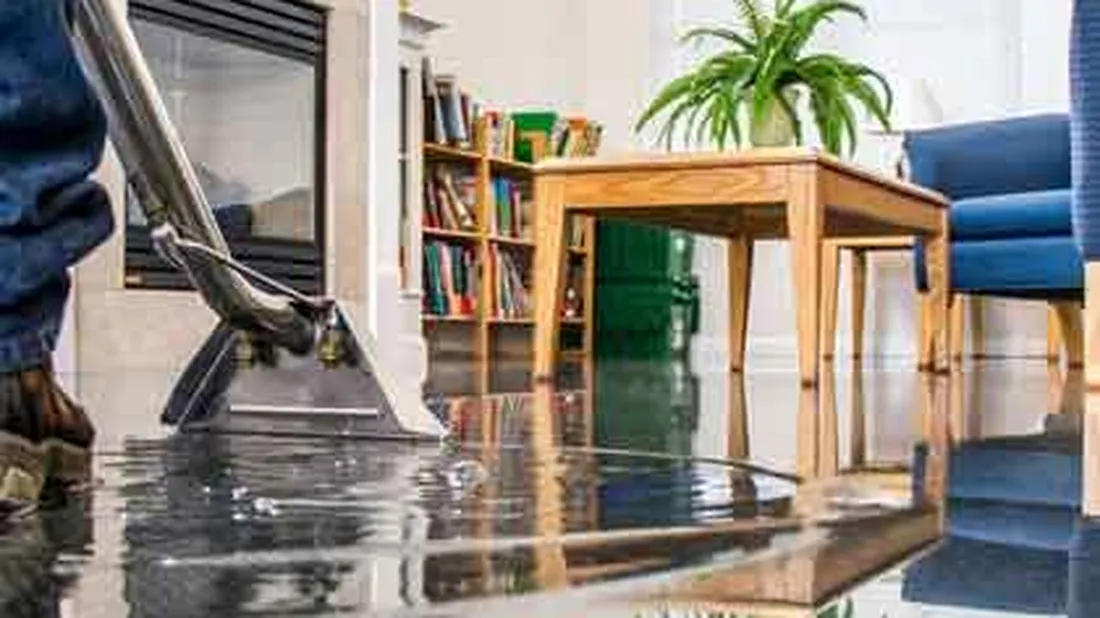
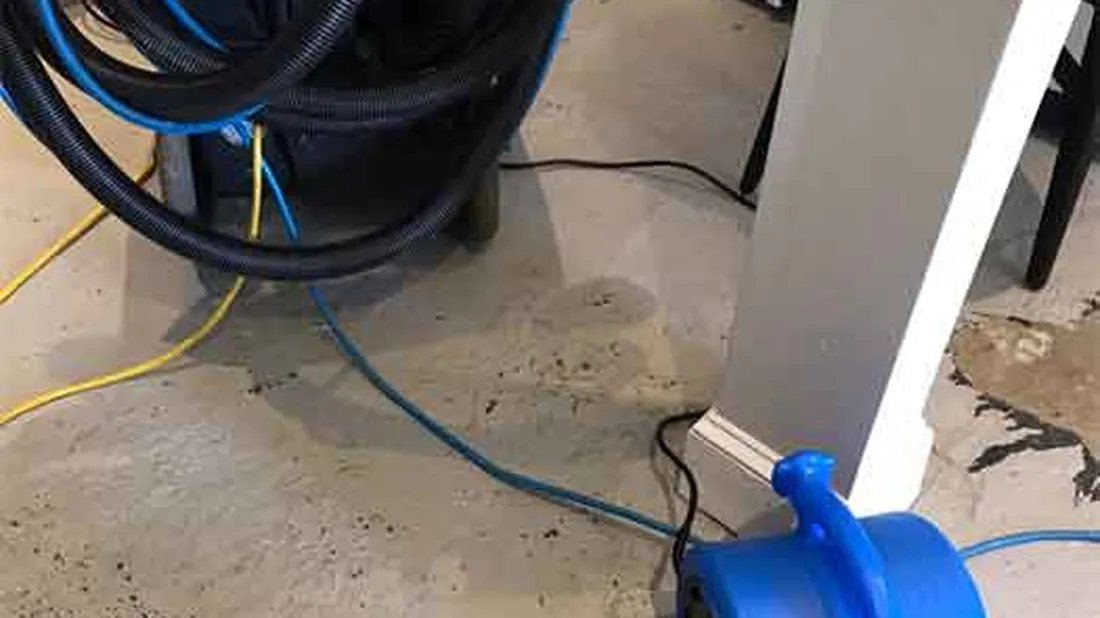
Then call a restoration company — not tomorrow, now. Extraction within the first hours is the difference between drying drywall in place and cutting it out, between saving hardwood and replacing it. Our line answers 24/7 at (855) 809-6899, and the assessment is free.
What to leave alone
Don't use a household vacuum on standing water, don't run ceiling fans or fixtures in rooms with wet or sagging ceilings, and don't tear into walls yourself — hidden water, electrical and (in older homes) hazardous materials are all on the far side of that drywall. Blot, move, document, call. The first hour done right saves more money than any other hour of the whole job.
Need This Handled?This guide covers Water Damage Restoration — the service behind this article. Free assessments, 24/7 response across Maryland: (855) 809-6899 or read about the service.
Water Damage Can't Wait — Neither Should You
Every hour of standing water means more damage and a bigger repair. Request your free assessment online and we'll call you back to confirm — or call now and a coordinator will dispatch a crew.